
A family used an iPhone feature to survive after they came lost in a freezing woodland in Oregon. The family activated the Emergency SOS via satellite feature on their iPhone for help, and the Clackamas County Sheriff’s Office received their distress signal at 7:30 p.m.
High altitude and bad weather conditions left the family stranded in the Mt. Hood National Forest.
“It appears they were lost and unable to find their way back in the heavy snow, as well as experiencing the effects of fatigue and exposure due to the weather conditions,” said Brian McCall, a spokesperson for the Clackamas County Sheriff’s Office.
The family started on Tuesday’s hike from the Salmon River Trailhead. Eight miles and 3,500 feet in elevation later, the group, which included two young children, found themselves battling adverse weather conditions and plummeting temperatures.
Ground crews were equipped with all-terrain vehicles, but it took a search-and-rescue team until 6 a.m. the following morning, due to the snow, steep terrain, and fallen trees, to reach the group. A helicopter rescue attempt was unsuccessful due to the weather and terrain challenges.

Rescuers found the family cold, wet, and dehydrated but otherwise unharmed, and getting them back from the remote location also proved difficult. Another ground crew, using a Snowcat vehicle, departed at 10 a.m. and reached the family several hours later.
The family and rescuers were transported back to safety 24 hours after the initial SOS call.
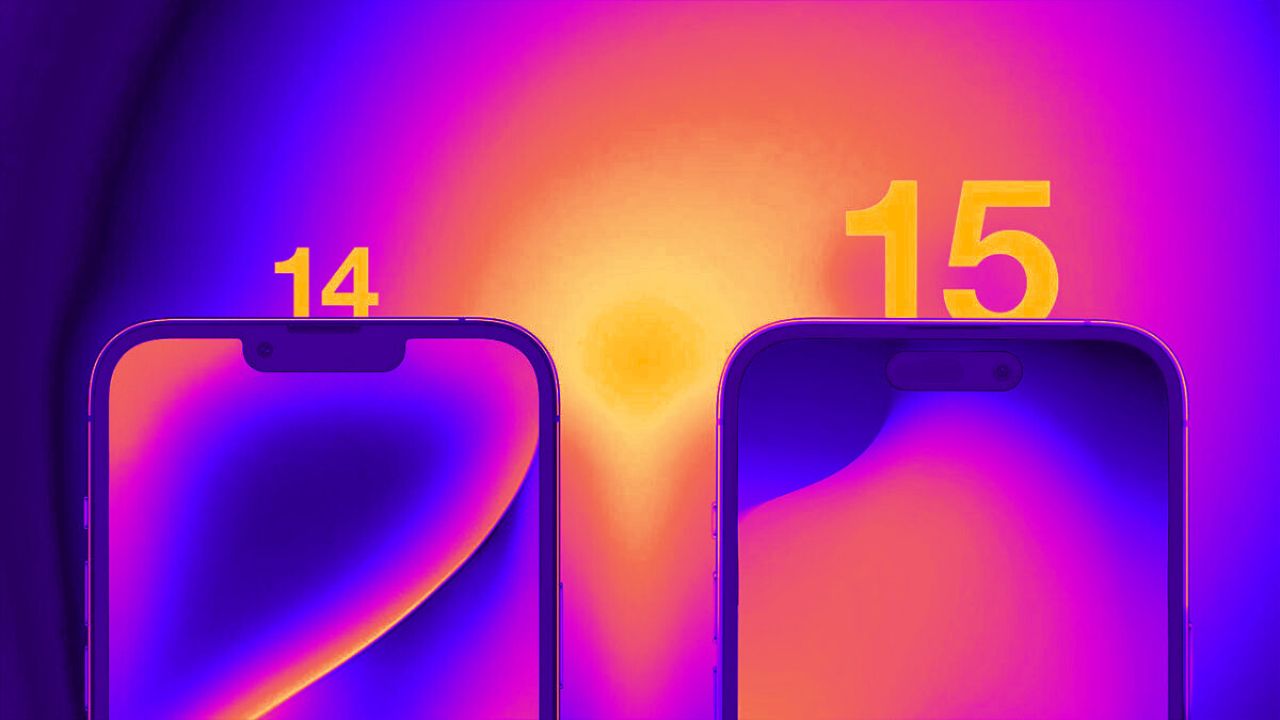
Apple’s Emergency SOS feature via satellite debuted with the iPhone 14 model. It lets iPhone 14, and 15 owners contact emergency responders even when completely out of cell signal range. The connects you to satellites above the Earth, which will then relay your messages and location to responders nearby.
What IT Do
Emergency SOS via satellite was made available in 2022 in the US and Canada. Available on all iPhone 14 and 15 models, the innovative technology enables users to message with emergency services while outside of cellular and Wi-Fi coverage.
Additionally, if users want to reassure friends and family of their whereabouts while traveling off the grid, they can now open the Find My app and share their location via satellite. Emergency SOS via satellite is available in the US and Canada, France, Germany, Ireland, and the United Kingdom.
After activation an easy-to-use interface appears on iPhone to get the user help utilizing a satellite connection. A short questionnaire appears to help the user answer vital questions with a few simple taps, which is transmitted to dispatchers in the initial message.
Following the questionnaire, the intuitive interface guides the user where to point their iPhone to connect and sends the initial message. This message includes the user’s questionnaire responses; location, including altitude; iPhone battery level; and Medical ID, if enabled.
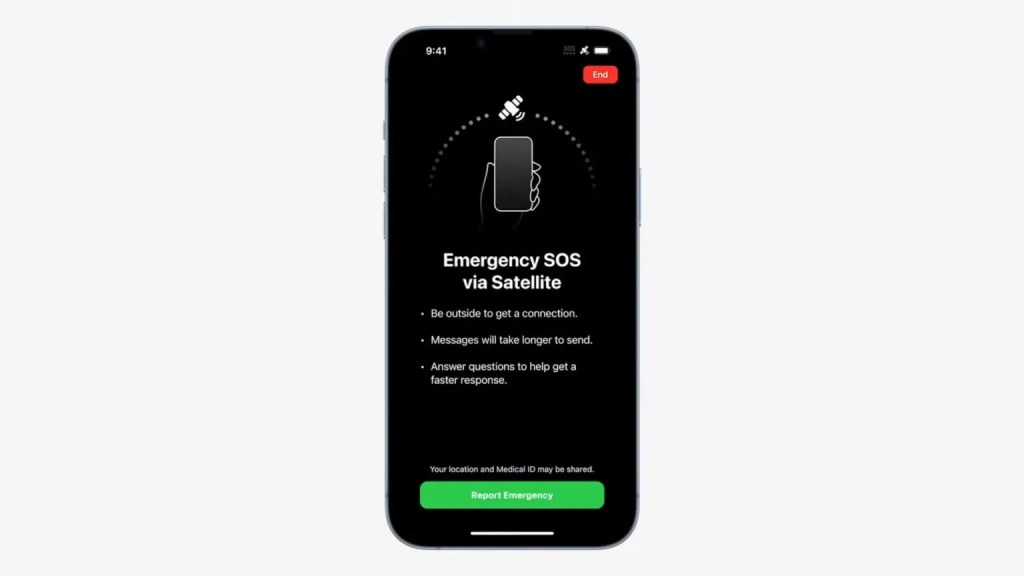
The questionnaire and follow-up messages are relayed directly via satellite to dispatchers that accept text messages, or to relay centers staffed by Apple‑trained specialists who can call for help on the user’s behalf. The transcript can also be shared with the user’s emergency contacts to keep them informed.
To make the call on iPhone 8 or later, Apple’s Emergency SOS feature is opened by holding the lock button and one of the volume buttons. When three sliders appear, you can swipe across the emergency call slider.
A demo is available in ‘Settings’ under “Emergency SOS via satellite” in iPhone 14 and later. Apple said the feature is available for free for two years.
How IT Do IT
In late August 2023, Globalstar, the Covington satellite technology firm, contracted with Elon Musk’s SpaceX to launch more satellites used to provide a communications network for the Apple iPhone SOS feature. Satellites from Canadian company Macdonald, Dettwiler and Associates Corp were purchased by Globalstar for $327 million after Apple loaned Globalstar $252 million.
- A satellite, a self-contained communications system with the ability to receive signals from Earth and to retransmit those signals back with the use of a transponder provides service in absence of cell towers.
- The satellite must withstand the shock of being accelerated during launch up to the orbital velocity of 28,100 km (17,500 miles) an hour and a hostile space environment where it can be subject to radiation and extreme temperatures for its projected operational life lasting up to 20 years.
- Satellites operate in three different orbits: 100-1000 miles in altitude Low Earth orbit (LEO), 6,300-12,500 miles in altitude, medium Earth orbit (MEO), and 22, 236 miles in altitude, geostationary or geosynchronous orbit (GEO).
- A signal that is bounced off a GEO satellite takes approximately 0.22 seconds to travel at the speed of light from Earth to the satellite and back. This delay may pose some problems for applications such as voice services and mobile communications.Therefore, most mobile and voice services usually use LEO or MEO satellites to avoid the signal delays resulting from the inherent latency in GEO satellites.
- The satellites support the emergency SOS services Globalstar is providing to Apple’s iPhones. The feature allows iPhone users to tap into satellite networks to send messages or calls if they are far away from cell towers. When the device is unable to connect to cellular service, a small green icon appears at the bottom right of the call screen to initiate a text conversation with emergency services.
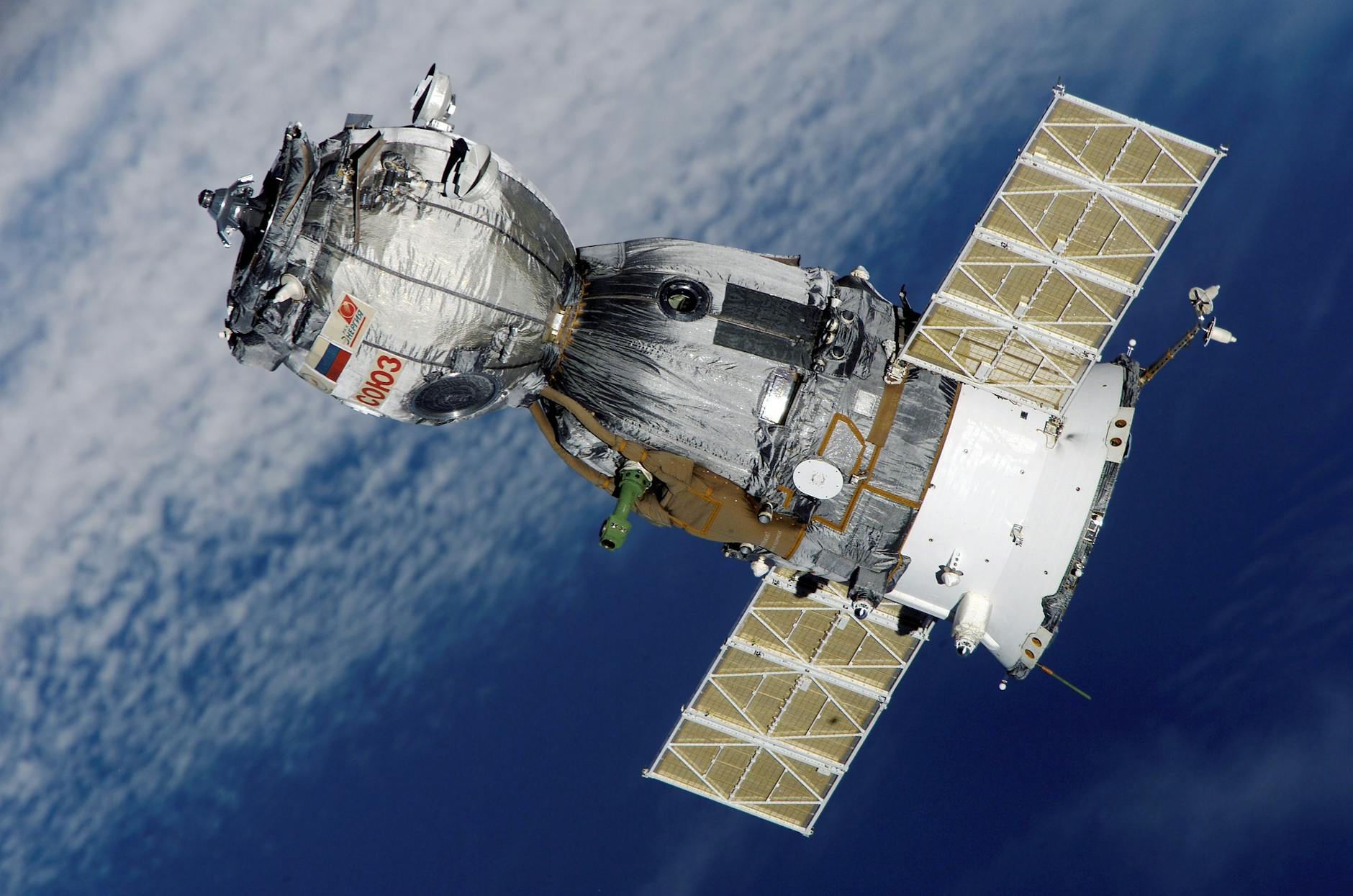
Satellite connectivity in communication devices is essential in areas with minimal or non-existent cell coverage. In instances such as sparsely populated countries, locations where governments restrict cell and internet access, or where natural disasters wreck ground-based systems, the SOS app is invaluable.
In mid August , Jen Royce found herself the victim of an otter attack where the beast laid into her for a full five minutes. She was celebrating her birthday with friends, tubing down a wide stretch of the Jefferson River near Bozeman, Montana when the attack occurred.
The group was saved more than 50 minutes after the bloody attack thanks to the iPhone SOS feature. Jen was flown to hospital by helicopter because she had the worst injuries while her two friends were treated by paramedics at the scene of the incident.
In January, a student in Delaware was saved from carbon monoxide poisoning thanks to a last-minute use of Emergency SOS on her Apple Watch.



 What IT Do. How IT Do IT.
Leave a comment