

For years, WhatsApp’s two billion users in countries around the world chatted with friends and family unencumbered by advertising and other features found on social media.
Now that is about to change.
WhatsApp announced that it would start showing ads inside its app for the first time. The promotions will appear only in an area of the app called Updates, which is used by around 1.5 billion people a day. WhatsApp will collect some data on users to target the ads, such as location and the device’s default language, but it will not touch the contents of messages or whom users speak with. The company added that it had no plans to place ads in chats and personal messages.
In-app ads are a significant change from WhatsApp’s original philosophy. Jan Koum and Brian Acton, who founded WhatsApp in 2009, were committed to building a simple and quick way for friends and family to communicate with end-to-end encryption, a method of keeping texts, photos, videos and phone calls inaccessible by third parties. Both left the company seven years ago.
Since then, after Facebook/Meta bought WhatsApp for $19 billion in 2014, the messaging app had a clear focus. No ads, no games and no gimmicks. Mark Zuckerberg, the chief executive of Meta, has focused on WhatsApp’s growth and user privacy while also melding the app into the company’s other products, including Instagram and Messenger. Putting ads into WhatsApp opens a lucrative opportunity for Meta, which has been spending billions on artificial intelligence and other pursuits, while potentially raising questions about privacy.
In a statement, Will Cathcart, the head of WhatsApp, assured users that the app would remain secure and guard their privacy.
WhatsApp, which revealed the changes at the Cannes Lions advertising industry conference, added that it was introducing paid monthly subscriptions for content creators, similar to offerings from competitors like X, YouTube and Twitch. The app will also let users and businesses advertise their “channels,” which are one-way and can be sent to large groups of people.
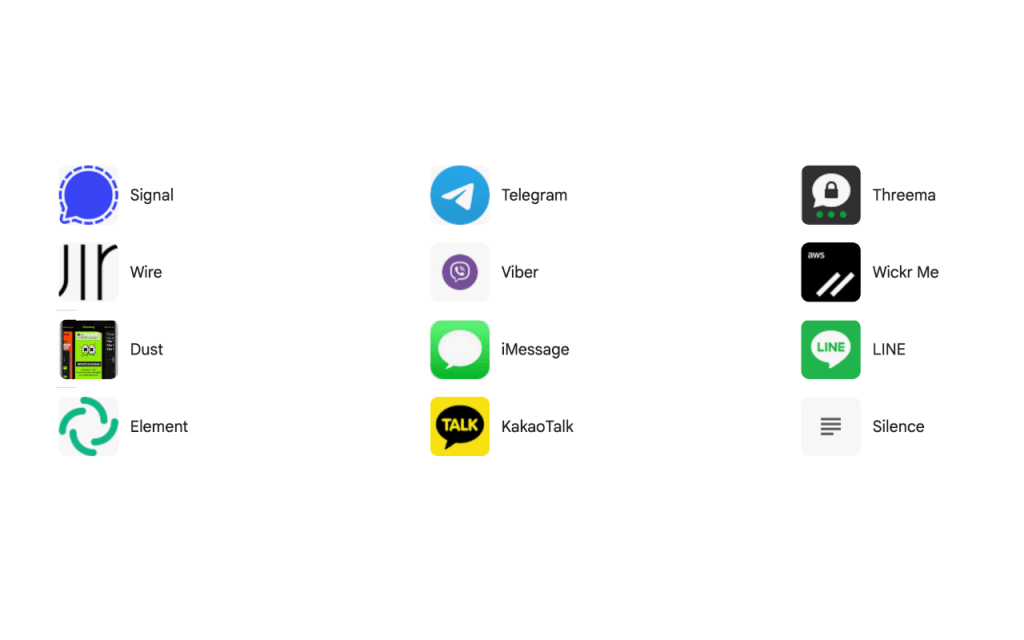
This comes after recent changes to WhatsApps interoperability many other chat applications. Will the recent changes from no ads and no interoperability alter the integrity and popularity of the app? Only time will tell.



 What IT Do. How IT Do IT.
Leave a comment