INNOVATIONS
Google has announced the first deployment of Kairos Power’s advanced nuclear reactor — the Hermes 2 Plant in Oak Ridge, Tennessee — through a new power purchase agreement (PPA) between Kairos Power and Tennessee Valley Authority (TVA). Marking the first purchase of electricity from an advanced GEN IV reactor by a U.S. utility, this agreement will enable 50 megawatts (MW) of nuclear energy on TVA’s grid that powers our data centers in Montgomery County, Tennessee and Jackson County, Alabama.
AI and Energy Consumption
Tech companies face significant issues with AI and energy consumption, primarily due to the high power demands of data centers that support AI systems. This leads to increased greenhouse gas emissions, strain on local resources like water, and potential electricity price hikes for consumers.
The rapidly expanding field of artificial intelligence (AI), particularly with the rise of Large Language Models (LLMs) and other complex AI workloads, presents a growing challenge regarding energy consumption and its associated environmental impact.
Presently, AI energy consumption is handled with greater efficiency solutions, For example, Amazon Web Services (AWS) latest data center design delivers 12% more compute power with improved availability and efficiency. AWS reported a global Power Usage Effectiveness (PUE) of 1.15 in 2024, outperforming the public cloud industry average. Microsoft is exploring low-carbon materials like cross-laminated timber for data center construction
Both Microsoft and AWS are addressing this issue through a multifaceted strategy.
AWS’s purpose-built chips like Graviton and Inferentia are designed for high performance and energy efficiency, offering significant reductions in energy use and carbon footprint compared to on-premises alternatives. Microsoft’s Maia 100 AI accelerator reportedly reduces power consumption by 30% compared to generic GPUs.
Microsoft aims to be carbon-negative by 2030 and is exploring advanced nuclear, geothermal, clean hydrogen, and long-duration energy storage as clean energy options. Since last May, Microsoft has partnered with Google and Nucor to financially support clean energy projects.
What IT Do
Last October, Google began a long-term collaboration with Kairos Power to unlock up to 500 MW of nuclear power for the U.S. electricity system through multiple deployments of their small modular reactor. Kairos Power, a California company is designing a fluoride salt-cooled high temperature reactor (FHR) using Triso-coated particle fuel in a pebble bed configuration.
Fluoride salt-cooled high-temperature reactors (FHRs) offer several potential benefits, including enhanced safety, high thermal efficiency, and adaptability to various applications. These reactors utilize fluoride salts as coolants, which offer inherent safety advantages due to their low-pressure operation and high boiling points, reducing the risk of accidents. This is a non-water-cooled reactor that uses molten salt for cooling. Kairos Power will only use natural and depleted uranium in a state-licensed radiological facility to support non-nuclear iterations within their fuel development program.
Based in Orano USA’s Oak Ridge, a multibillion-dollar uranium enrichment facility that will be one of the largest in the US located on a 920-acre site transferred by the Department of Energy (DOE). Kairos is building a demonstration nuclear reactor called Hermes at the Oak Ridge site’s Heritage Center Industrial Park.
A demonstration nuclear reactor is a type of nuclear reactor built to showcase the practical application and suitability of a new or advanced nuclear reactor design for commercial use. These reactors are often the next step after successful engineering demonstrations and aim to prove that the technology can be scaled up and operated reliably and safely in a commercial setting.
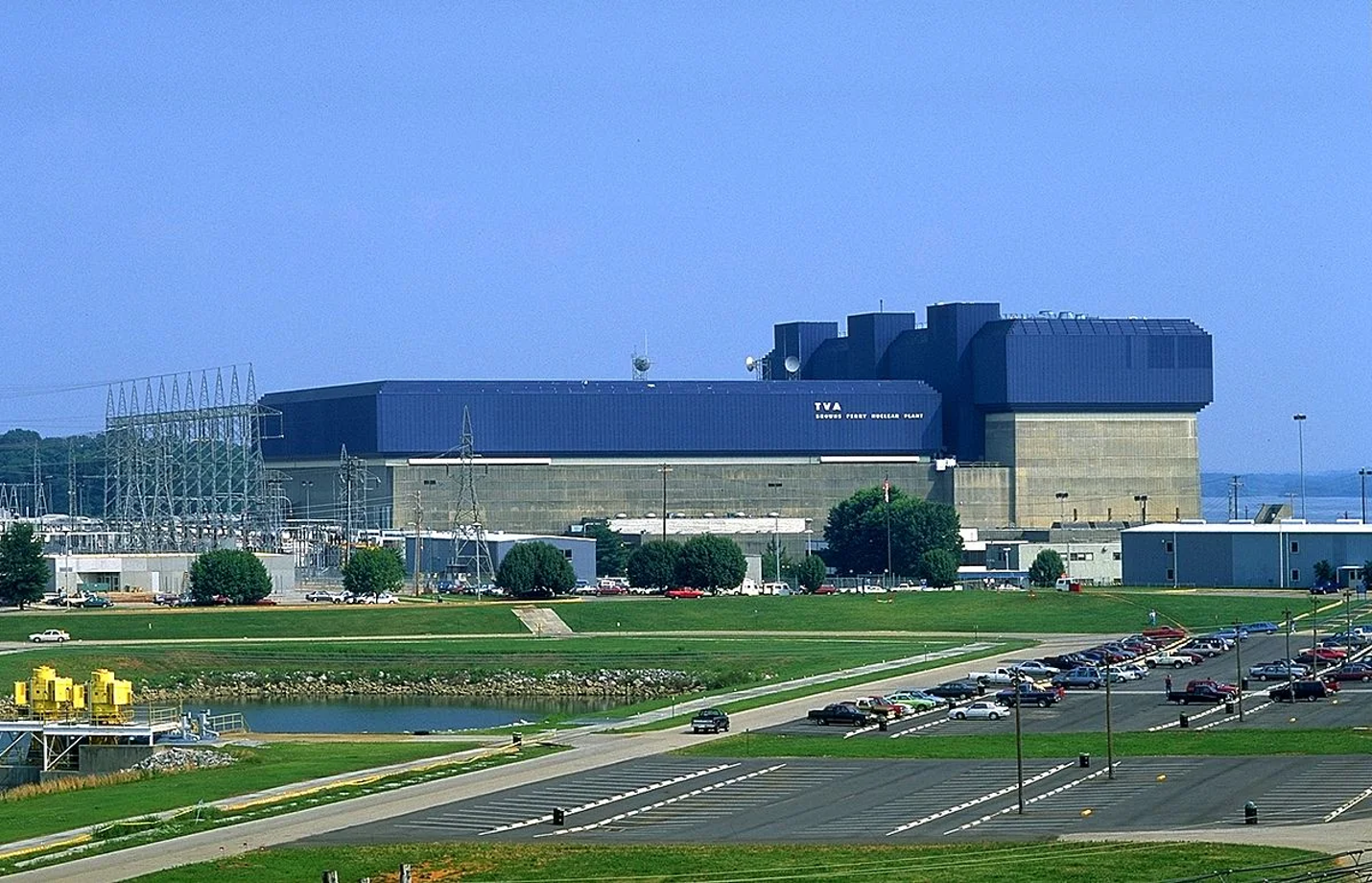
It is unclear why this energy project is going forward as companies can already purchase energy generated from TVA’s nuclear reactors.Tennessee Valley Authority already has other nuclear reactors at power plants, Sequoyah 1 and 2,Watts Bar 1 and 2 and Browns Ferry. Browns Ferry’s three reactors were the first in the world capable of producing more than 1,000 megawatts—or 1 billion watts of power. Browns Ferry boiling water reactors (BWR) are a type of nuclear reactor used for the generation of electrical power.
While nuclear plants don’t store large amounts of electricity, some facilities utilize thermal energy storage (like molten salt or concrete) to manage fluctuations in electricity demand and improve overall grid stability.
The Idea
Sustainable clean electricity technologies and advanced energy storage systems are needed to cost-effectively decarbonize grids and help the world meet its growing electricity demand with carbon-free energy sources. These advanced clean electricity technologies can fill gaps in wind and solar production and support grid reliability – needs that today are still largely being met by fossil fuel generation. Kairos’ FHR system is being touted as an innovation and a safer alternative to already purchasable nuclear reactor energy.
How IT Do IT
How it works
TVA will purchase electricity from Kairos Power’s Hermes 2 plant, scheduled to begin operations in 2030. In this initial phase of the collaboration, Google will procure clean energy attributes from the plant through TVA to help power data centers in the region with locally sourced clean energy, every hour of every day.
Additionally, this project will continue to expand pathways to economic opportunity in Oak Ridge — the site of the biggest technological breakthroughs and advancements in nuclear history.
Kairos Power’s Hermes 2 Demonstration Plant will act as a nuclear innovation hub through new programs developed in partnership with the University of Tennessee and other local universities to grow local workforce talent for high-paying jobs as plant operators and engineers.
Since 2015, Google has harnessed their business growth in the Tennessee Valley and close collaboration with TVA to bring the benefits of clean energy technologies to the region. Now, a decade later, Google is working with TVA and Kairos Power to help catalyze the next generation of advanced energy technologies.
Conclusion
The decision to purchase energy from nuclear power plants involves a careful balancing of the environmental benefits, particularly in terms of reducing greenhouse gas emissions and air pollution, against the potential risks associated with radioactive waste, uranium extraction, and the possibility of accidents. Ongoing efforts in research and development aim to address these challenges, including developing advanced reactor designs that produce less waste and improving waste management technologies.



 What IT Do. How IT Do IT.
Leave a comment