
Tech News
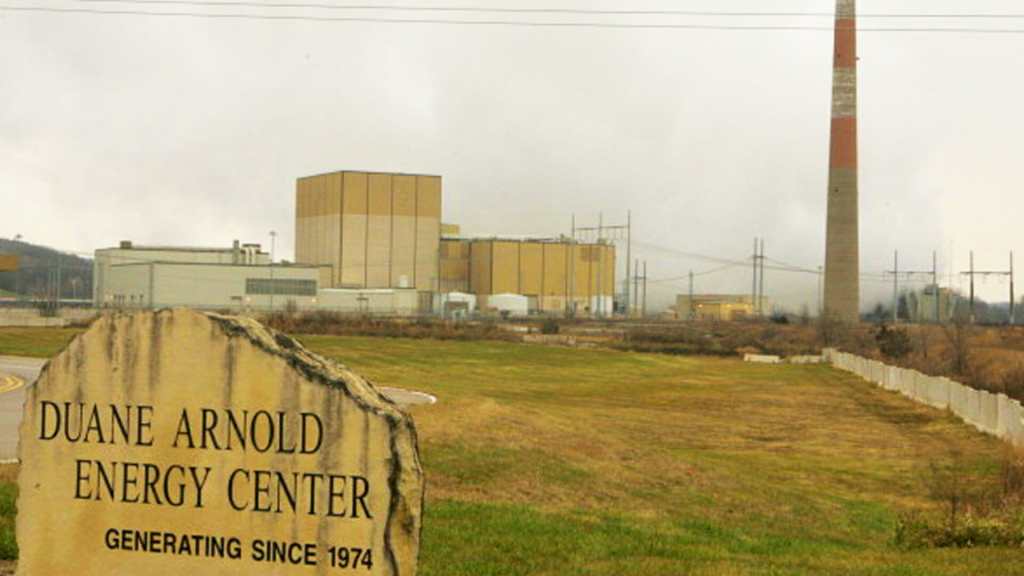
Today, Google announced a collaboration with NextEra Energy to accelerate nuclear deployment across the U.S., including the restart of the Duane Arnold Energy Center in Iowa.
Duane Arnold is expected to be back online in early 2029. The plant will provide more than 600 MW of clean, safe, “always-on” nuclear energy to the regional grid. This will support growing cloud and AI infrastructure in Iowa and bring thousands of jobs and substantial economic benefits to the state. Through this agreement, Google is enabling the investment to restart the plant and covering costs for the production of energy from Duane Arnold.
The NRC handles licensing and overseeing the construction and operation of nuclear facilities and materials. It also regulates civilian nuclear power plants, research reactors, and nuclear fuel cycle facilities.
FERC is an independent U.S. government agency that regulates the interstate transmission and wholesale sale of electricity, natural gas, and oil. It also licenses hydropower projects and reviews proposals for natural gas and liquefied natural gas (LNG) terminals. FERC’s mission is to ensure reliable, safe, and economically efficient energy at reasonable costs for consumers. It is not able to license or inspect this facility.
However, FERC does not have direct oversight of nuclear power generation itself, but it does coordinate with the Nuclear Regulatory Commission (NRC)on issues that affect grid reliability, such as the physical protection of shared critical infrastructure.
Restarting a once fully operational plant is seen as the fastest path to tap into large-scale nuclear power to meet AI growth in the short-term. This builds on other ways Google and others are working to rapidly enable access to reliable, affordable, and scalable clean energy solutions, advancing new clean generation to making the demand more flexible and deploying next-generation transmission technology.
This restart was not without controversy, per the Sierra Club
“People need to know if there is a health risk, an actual health risk to restarting the plant, and that should be a major part of the discussion,” said Joseph Mangano, one speaker at a press conference hosted by the Sierra Club in September. The discussion explored the health and environmental effects that could result from restarting the Duane Arnold plant. Joseph Mangan is the executive director of the Radiation and Public Health Project.
Wally Taylor is the conservation and legal chair of the Sierra Club’s Iowa Chapter said, “nuclear power is not the answer to our 21st century energy needs.”
“Nuclear power is not clean or renewable, as the nuclear industry claims,” Taylor said during a press conference in September. “Nuclear reactor fuel is made from uranium, which is mined from the ground, just like oil, gas or coal. No one refers to those energy sources as renewable, nor is nuclear clean.”
Taylor said that the uranium mined and processed to produce nuclear power leaves behind waste and harmful chemicals. At nuclear plants, he said a radioactive, hydrogen-based material called “tritium” can leak from facilities and remains radioactive for “hundreds of thousands of years.” There isn’t a way to dispose of it.
Restarting Duane Arnold “is a risky proposition,” Taylor said.
What more needs to be done
For a potential restart, the steps undone from the Duane Arnold Energy Center closing include replacing dismantled components like the cooling towers and the administration and training buildings, as well as restoring all plant systems to an operational status.
The plant’s operating license was terminated during decommissioning, so a new one needs to be reinstated with the Nuclear Regulatory Commission, requiring a comprehensive review, safety inspections, and environmental assessments. Additionally, new personnel need to be hired and trained, and all regulatory approvals and permits must be renewed.
The Nuclear Regulatory Commission ensures the safe and secure use of radioactive materials for civilian purposes, protecting public health and safety, and the environment. It achieves this by licensing, inspecting, and regulating commercial nuclear power plants, as well as other uses of nuclear materials, such as in medicine, research, and industry. At the time of this post the NRC is closed due to the federal government shutdown. The NRC was established in 1974 to separate regulatory functions from the development of nuclear energy.
The Project Today
A FERC waiver is a temporary or permanent regulatory relief from certain FERC rules, which can include safety, environmental, or statutory requirements. Waivers can be granted to expedite energy restoration during emergencies, increase energy supply, or allow specific activities without the need for a case-specific certificate.
The Duane Arnold Energy Center is very likely to restart, but it is not yet certain and is still dependent on regulatory approvals. The recent deal with Google to purchase power, combined with a Federal Energy Regulatory Commission (FERC) waiver, makes the restart probable, with a projected timeline of operation by early 2029.



 What IT Do. How IT Do IT.
Leave a comment