
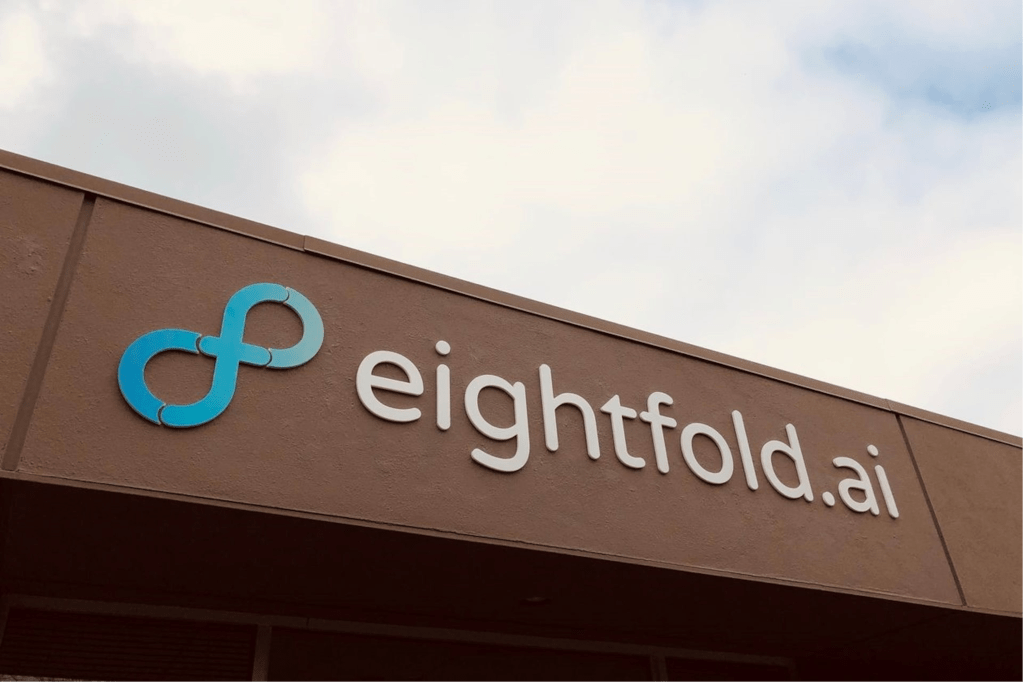
Eightfold AI is facing a class action lawsuit for allegedly producing hidden consumer reports on job applicants without their knowledge or consent, violating federal and California laws. The lawsuit claims that these reports, generated using AI, do not allow applicants to correct inaccuracies, which could unfairly impact their job opportunities.
Per the complaint, Eightfold’s technology quietly operates behind the scenes of online job applications at some of the nation’s largest employers, including Microsoft, Morgan Stanley, Starbucks, BNY, PayPal, Chevron, and Bayer.
While applicants submit resumes and wait for a response, Eightfold allegedly scrapes vast amounts of personal data—much of it inaccurate, incomplete, or drawn from unknown third-party sources—and funnels it through a proprietary large language model to score and rank candidates based on their supposed “likelihood of success” in the role. The lawsuit asserts how, much like employment background checks, these AI-generated evaluations function as “consumer reports” under the federal Fair Credit Reporting Act (FCRA) and California law.
Yet the complaint alleges that Eightfold provides none of the basic legal protections that have governed such reports for decades: no disclosure that a report exists, no access to the report itself, no opportunity to dispute errors, and no safeguards before the information is used to make life-altering employment decisions.
The lawsuit filed by Erin Kistler and Sruti Bhaumik, on behalf of themselves and all those similarly situated, explains that Eightfold’s use of AI technology does not place it above these laws, and that there is no “AI exemption” from longstanding worker and consumer protections. The proposed class action was filed by two women with STEM backgrounds who believe Eightfold’s AI tools hurt their careers by unfairly screening them out for positions for which they were qualified at major companies like Microsoft and Paypal.
About the Legal Team
Towards Justice is a nonprofit law firm that represents workers in litigation and other advocacy in an effort to build worker power and advance economic justice in our home state of Colorado and across the country. Our goal is to defend workers and their rights through both litigation and policy advocacy —and to come up with pathways for others to do the same nationwide. Our focus is always on achieving economic justice in the workplace and rectifying the imbalance of power between workers and corporations. This suit is part of Towards Justice’s AI in the Workplace Accountability Project.
The workers in this proposed class action are represented by Christopher M. McNerney, Jenny R. Yang, and Allison Aaronson of Outten & Golden LLP ; and Rachel W. Dempsey.


 What IT Do. How IT Do IT.
Leave a comment